The lovely story of Robida meeting Leštnice
It happened some times that Robida—or perhaps I, Vida, who is writing here (always a risk of synecdoche in these matters, alas)—fell in love with other collectives that we found particularly interesting and inspiring or, especially, whom we saw as complementary to Robida. It happened first with Good Times Bad Times radio from Rotterdam, with whom we in fact exchanged love letters, later with Extra Practice, a particularly beautiful extension of the Good Times Bad Times group, and later with Diffrakt from Berlin. Not counting, of course, those collectives who anyway constantly contribute to Robida’s ideas and ways of doing things, such as the Blooming group, or those who briefly intersected Robida’s path, bringing visions and wilderness, such as Krzak collective or later Zakole collective, or big inspirations and frequent collaborators as La foresta. With each of these groups we have specific resonances and, I believe, we reciprocally inspire each other: with Diffrakt we share this specific attention and pleasure in how theory or philosophy and daily life can be rehearsed together, with Good Times Bad Times there is a common desire of making radio (and other creative things more in general) in a very spontaneous way, as part of a daily routine, with Extra Practice we share a common reflection on how collectives work and how very different voices and styles can contribute to a beautiful, complex but strangely coherent whole. We grow parallelly, inspiring each other from afar, visiting each other from times to times, checking each other’s websites looking for signs of change, growth or stillness, exchanging sometimes difficult nodes and looking for help or advice. (Or, at least, I do these things with many of the members of these groups!)
And then, last year, in April 2025, we met Leštnice and this sense of a mirrored self which we parly noticed in all the groups mentioned above was suddenly so precise to be almost surreal!
With Leštnice, an artistic collective from Czech Republic, we share
an etymology,
a genealogy,
a geography with a similar history,
a similar attachment to a specific hyper small place,
a sense of locality and internationality.
Leštnice is our sister, from the other side of what was the iron curtain.
Leštnice is, like Robida with Stazione di Topolò, the daughter of an art project born in the nineties, after the fall of the iron curtain. Some of the kids from Leštnice were the children of that project: you see them in the archive photos, babies held by their mums who were participating to the Summer School of Spiritual Experiment and Art in Practice, a yearly summer school, dedicated to theatre and performance, taking place in the tiny depopulated village of Maříž, some hundred metres away from the border with Austria.
Leštnice is also a daughter of a border, even if many of its members live in Prague, Berlin, Leipzig and other bigger cities.
Leštnice is also the name of a village near Maříž which was so close to the border that it got destroyed in 1951: today you can only see rubbles of its houses in the forest, only if you look for them and know where to look, accompanied by some of Leštnice people.
Leštnice, like Topolò, holds the name of a plant in its etymology, even if for Czech people this is not so evident. Hazel, lešnik in Slovene, is líska in Czech: a plant that populates the forest where the village of Leštnice once was. Like robida, the brambles, that cover the abandoned field around Topolò. And like Topolò, with the topol in its name, the poplar tree: the only different is that poplars are so rare here, while hazels are everywhere there and here. Also brambles are everywhere here and also there. Two strong plants apparently.
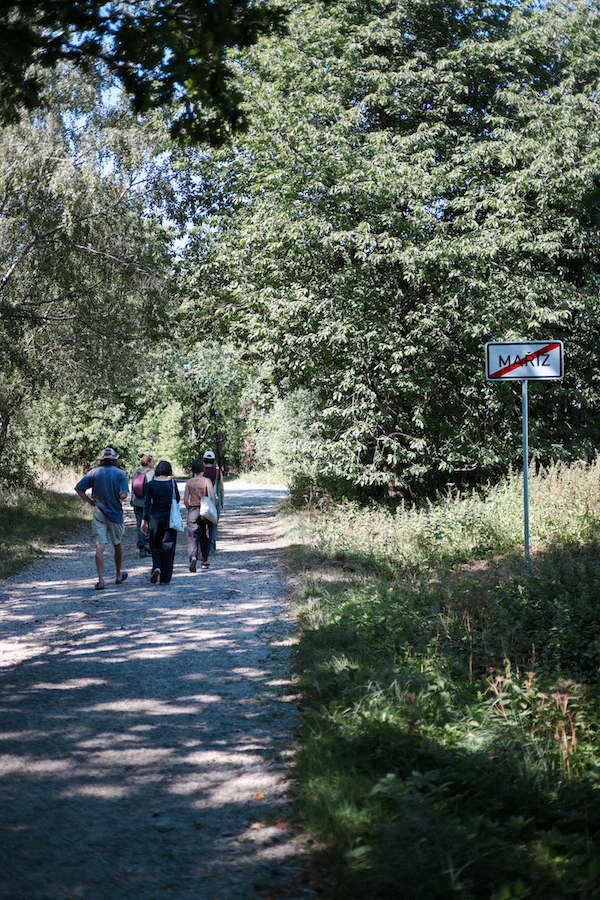
So, last year, without knowing that we would meet our sister from the other side of border (not literally though) we hosted a group of Czech artists travelling from Prague to Abruzzo where their brother project, Sentieri, is starting its first new steps, for one night. A group of handsome, smily people travelling in a van stopped for one day in Topolò (“the day the Pope died”, as we always repeat): at a frist glance we were just two collectives meeting. Two groups doing slightly different things—Robida being more interested in thought and publishing, but not only, and Leštnice working a lot with visual arts and performance, but not only—sharing a similar way of embracing them and making them. And suddenly, when we started sharing the genealogy of each other’s project and its geography we unbelievingly realised that we had an almost identical story, that the place we choose to work with and learn with was not random, but was a place of a previous art experiment, Stazione di Topolò/Postaja Topolove here and the Summer School of Spiritual Experiment and Art in Practice there. That we were children (some genetically, others culturally) of two art projects and of their organisers. And that our two little places, Topolò and Maříž, shared a parallel history in relation to the iron curtain and the Cold War, even if located on the two opposite sides: them in the at the time communist Soviet satellite Czechoslovakia, at 500 metres from the border with Austria, us in the Nato-allied Italy, at 500 metres from the border with the socialist state of Yugoslavia (not allied with the USSR but, still, a communist state). Concrete bunkers everywhere controlling the border on their side, some concrete bunkers controlling the border also here. Barbed wire to close the border there, here an apparently more porous border, controlled “only” by graničari, the border guards. There memories of dreams of the free world, here, in the “free” world, memories of erasures and silencing of local culture and language.
After their quick visit, they left the next day and we all had—I feel—the sensation of having opened something huge which we should not let go so easily and should cultivate.
So this year we started to cultivate the halzenut-brambles relation: Robida went to visit Leštnice in Maříž and, as adult organisations do, we partnered for a European Capital of Culture project (České Budějovice will be European Capital of Culture in 2028, like Nova Gorica was in 2025, another of the many parallels)!
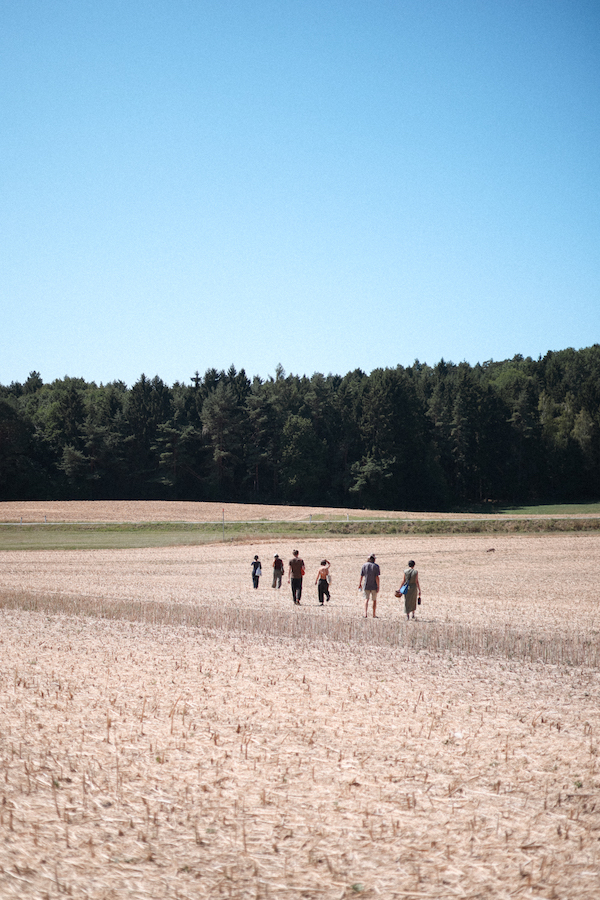
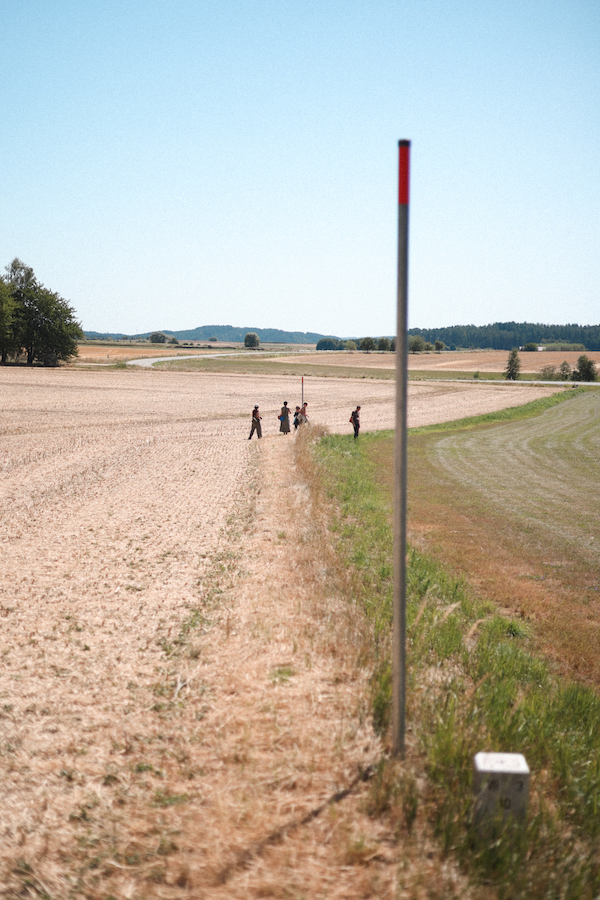
What we found there was SO MUCH, deeply touching and inspiring:
a flat landscape where everything is apparently possible (in contrast to our steep, uncomfortable landscape where everything is difficult),
an old generation of artists being kind and enthusiastic (we also have these—shout out to Thomas, Tiziana, Barbara, Titta, Jan… <3),
some old people who complain (we didn’t meet them, but we know that they are there),
some beautiful and super-lived-in infrastructures left by the previous generation (this was beautiful to see, in comparison to our maybe too sterile Juljova hiša, clean and empty, with almost no signs of the past),
beautiful beautiful people with whom we laughed so much but also exchanged some difficult reflections in the darkness of the evenings,
a border in the forest (more visible than ours, because there the land is cultivated so one side was harvested and dry, the other was green),
beautiful spatial interventions in a place that seems to allow more than ours (a wooden sauna, a net over the trees where to chill, an empty hill with a huge tree house),
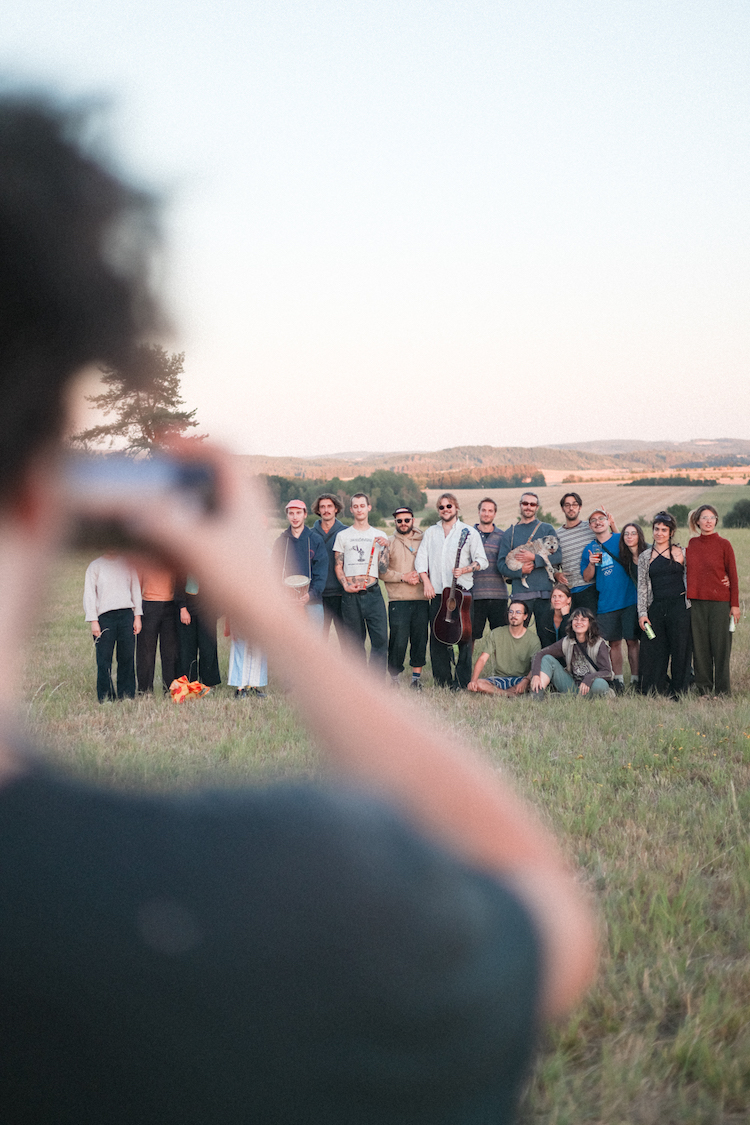
a huge group of people—artists, illustrators, social geographers, musicians, cooks, architects—coming back every year in August to spend time together.
We learnt so much during this visit. About Leštnice and about ourselves. About all the mistakes we make (like for example not dedicating enough time to be festive together), about how to take care of the relation with elder generations, about how not to be too strict and create spaces that are soft and welcoming (even at the expense of order and structure), about responsibility and passion, about loving etymologies, about owning and loving one’s own collective history instead of constantly desiring to reinvent it and write it anew, about the beauty of continuation instead of the ceaseless search for novelty. And much more, mainly about friendship and love for a place.
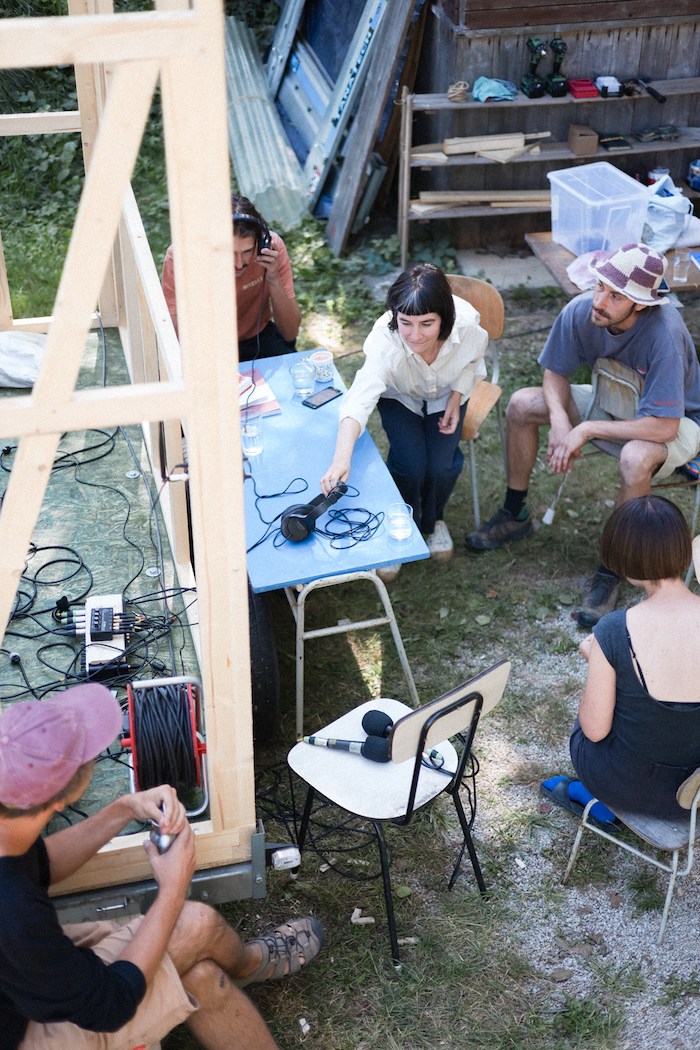
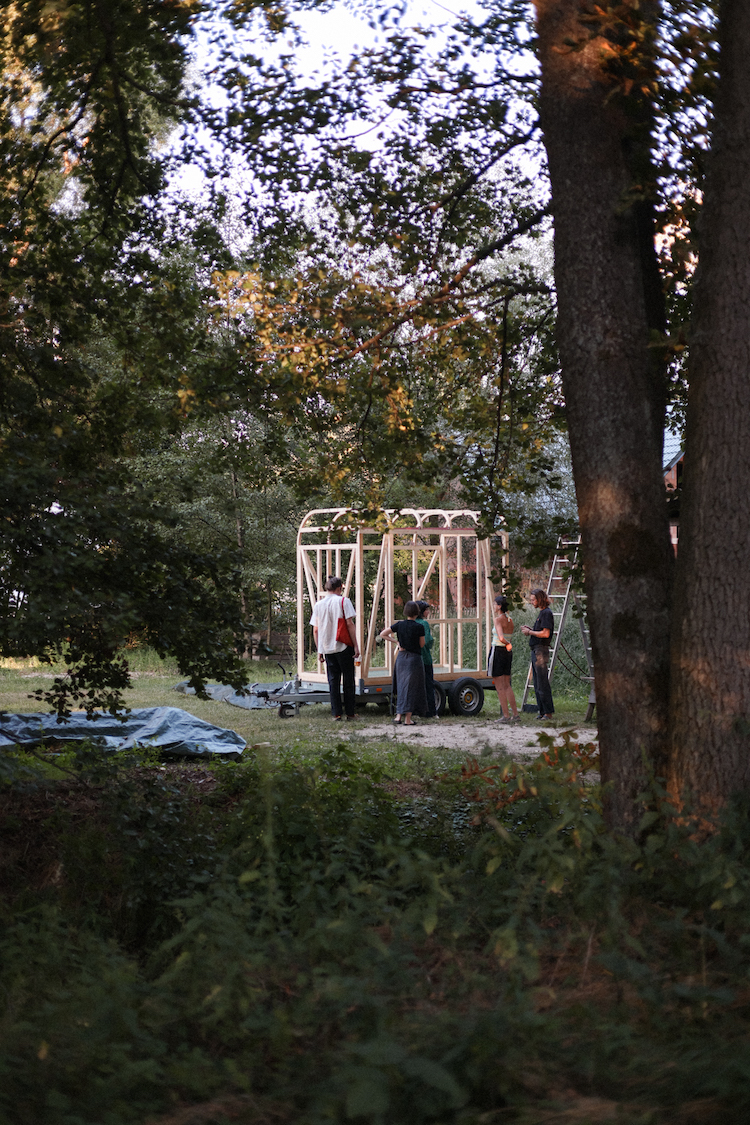
And now we look forward to welcome Leštnice here in Topolò in May 2027. They will travel from Maříž to Abruzzo, passing by Topolò with their mini-gotka, the mobile caravan/archive that they were building when we visited them some weeks ago! We are looking forward to host them with the same joy and care as they did, walking them to the border, accompanying them to the local museum, facilitating their visits to the old generation of artists to grow the halzenut-brambles bond stronger!
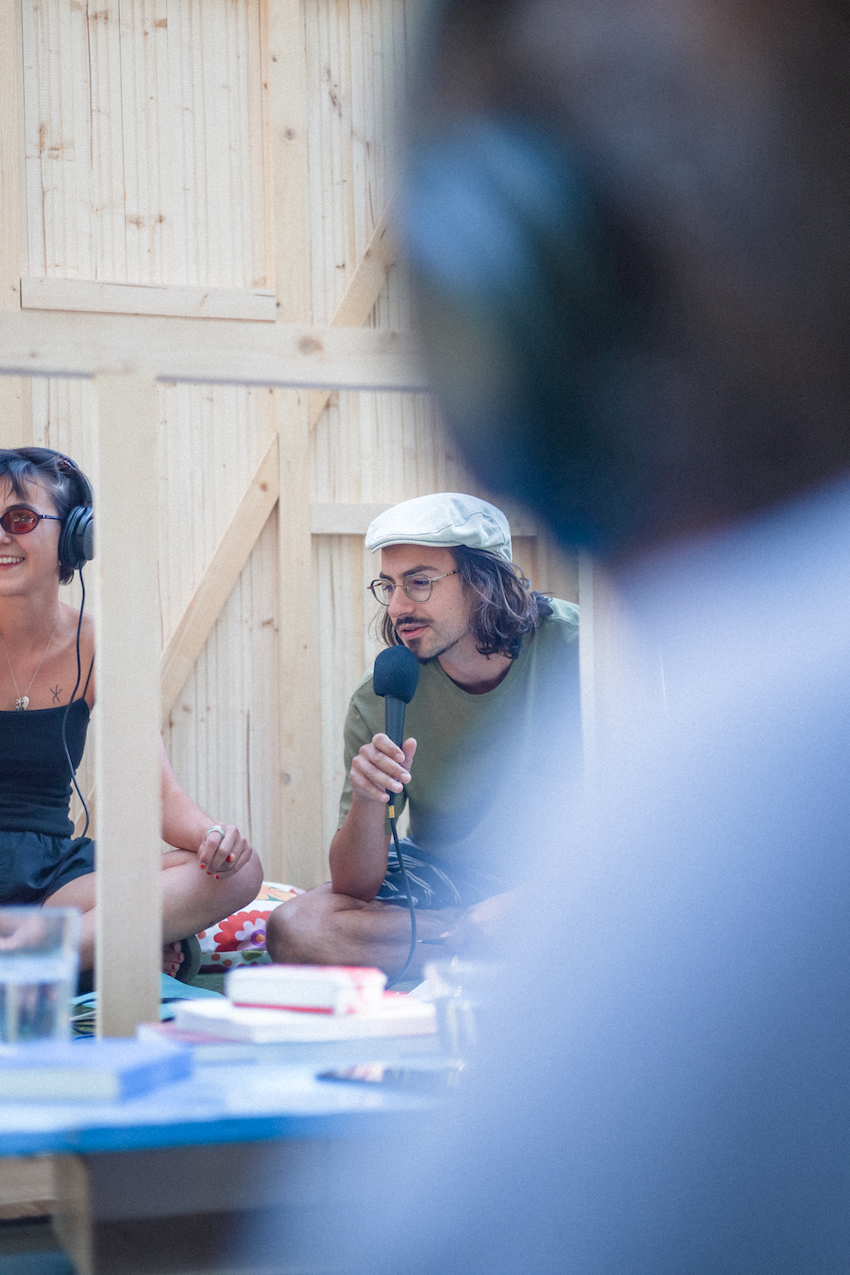
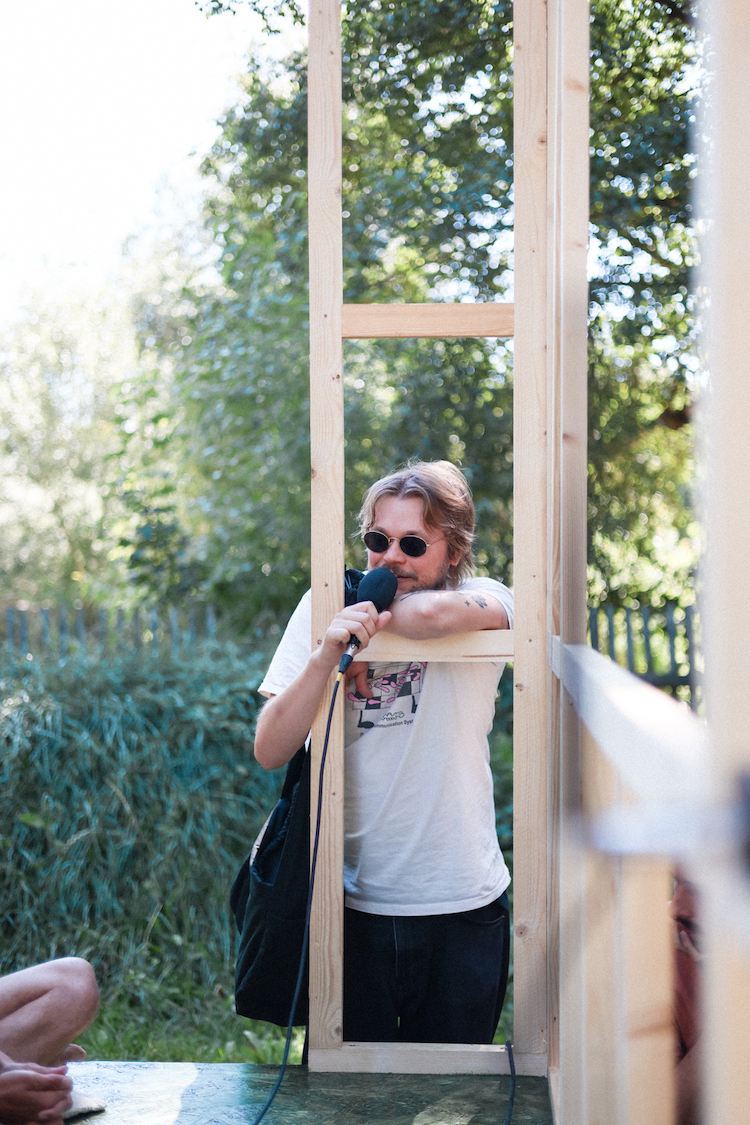
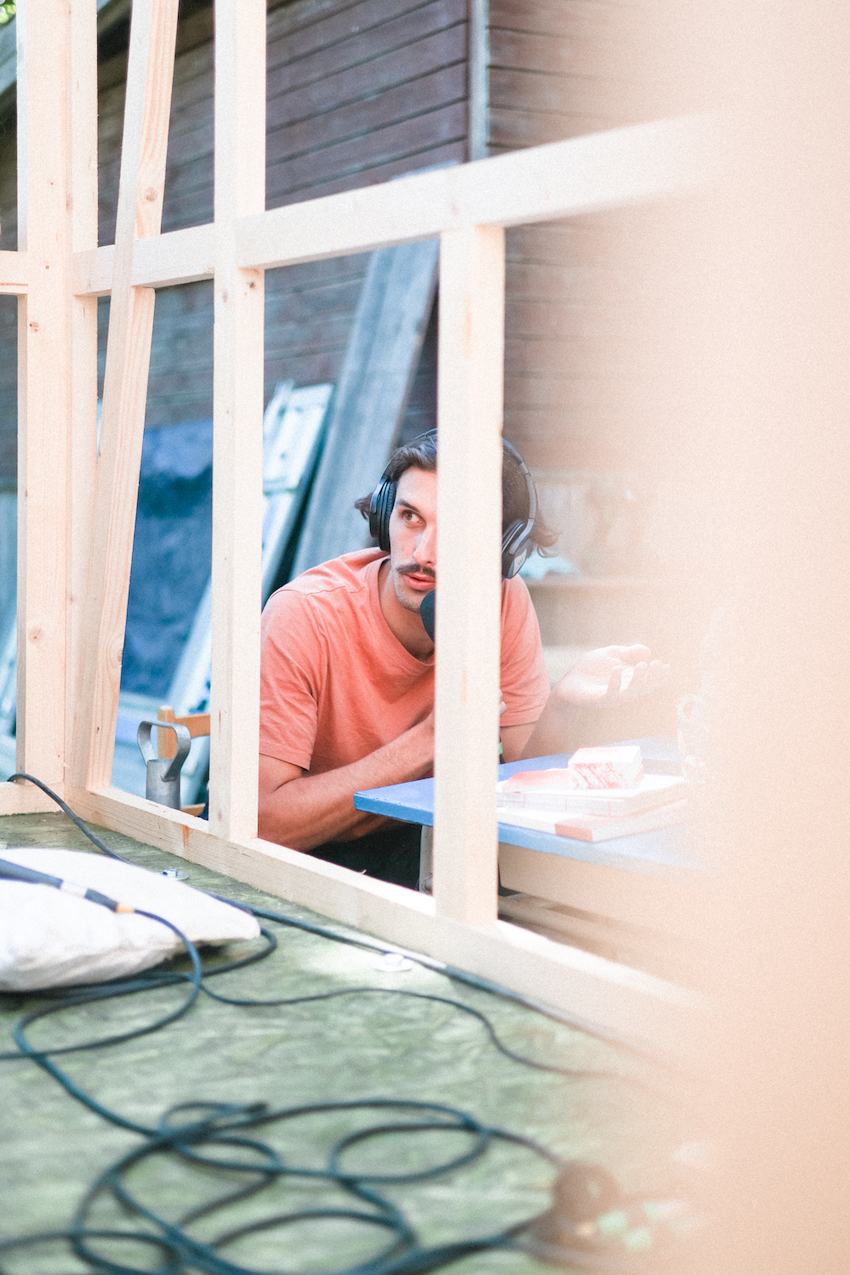
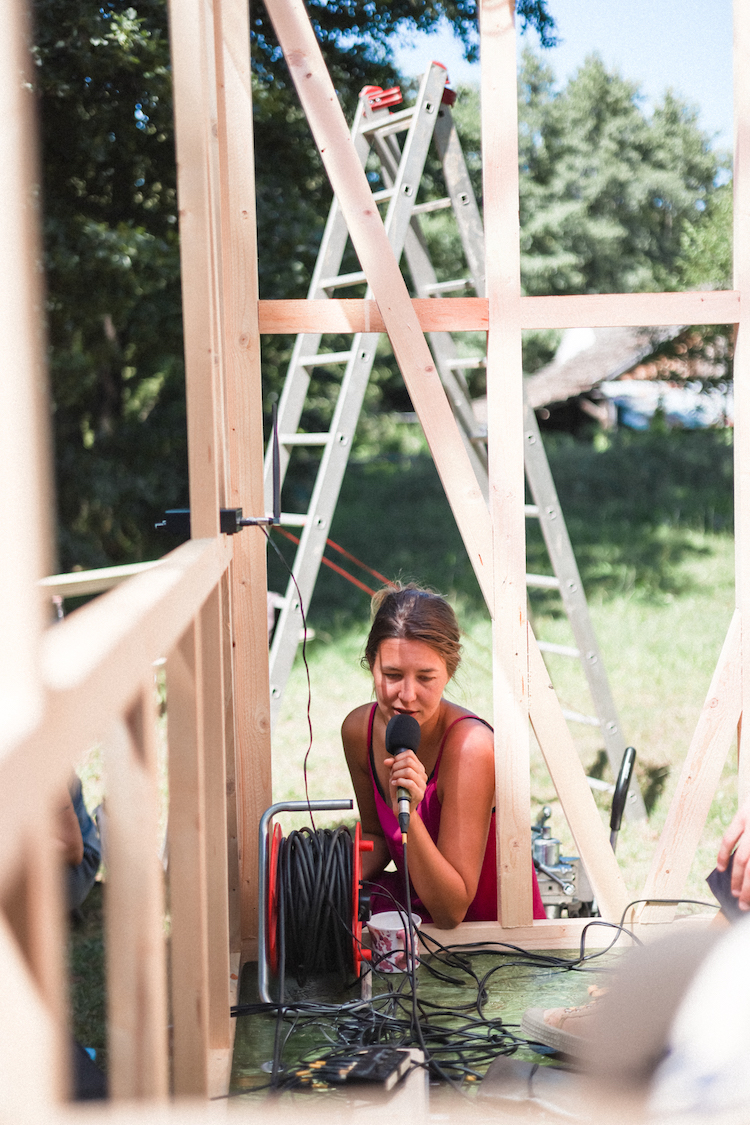
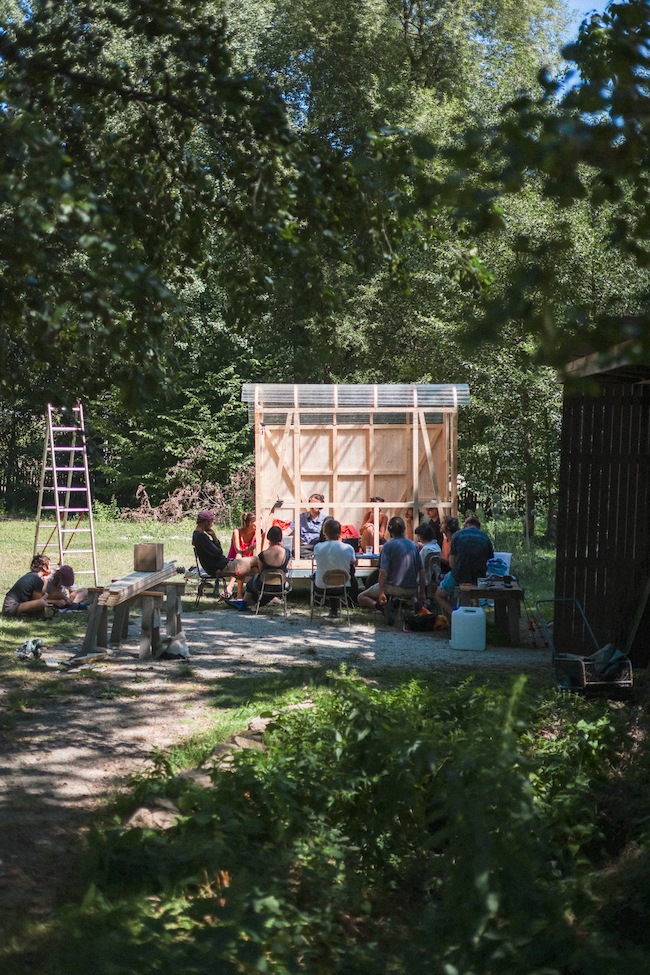
Below you can eavesdrop on the conversation we had at the mini-gotka and catch some of that beautiful lovely energy that accompanied our visit to Maříž. ↓