Sadna krajina / Il paesaggio della frutta / Fruit Landscape
Dora Ciccone (Ed.)
Find it on our bigcartel
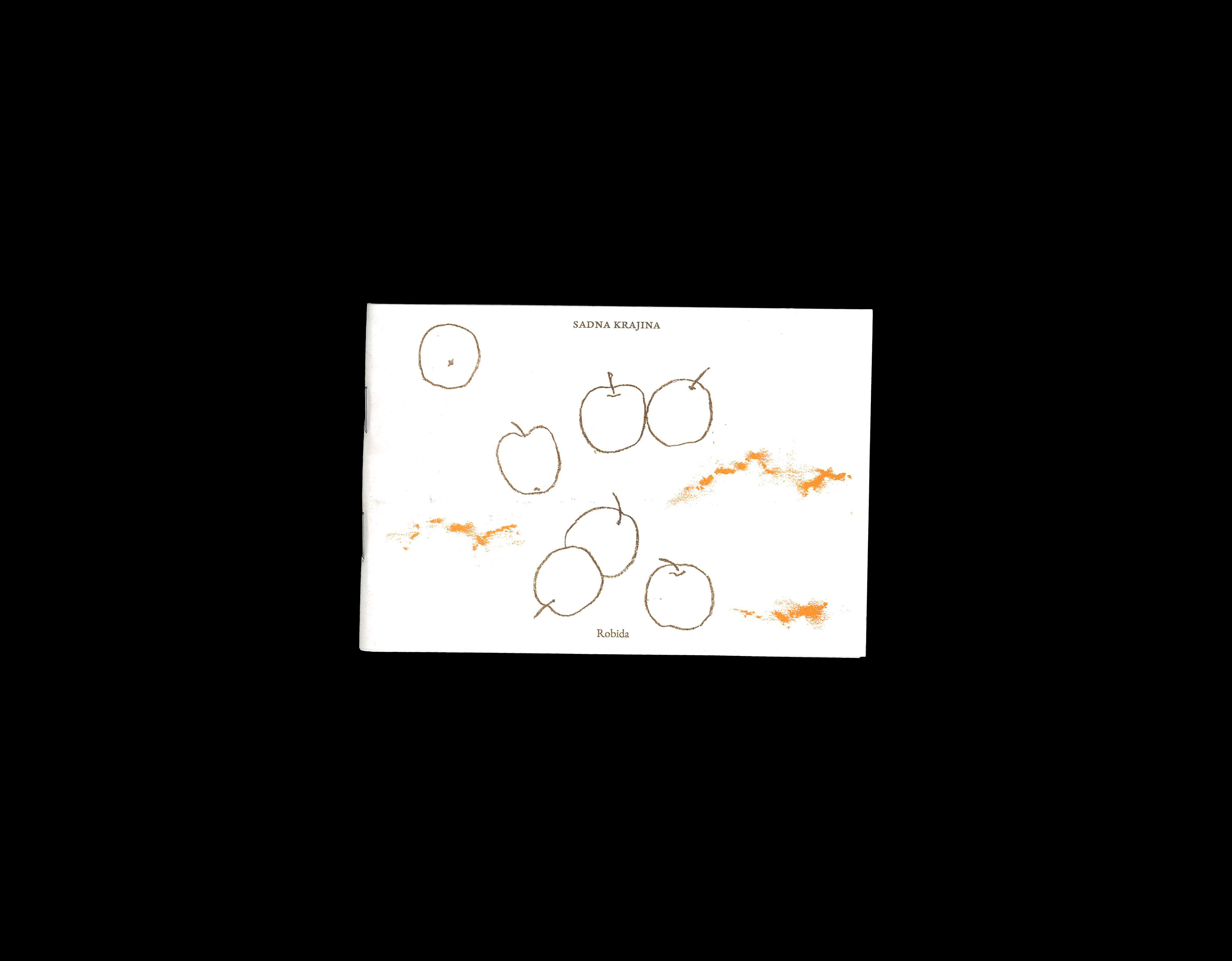
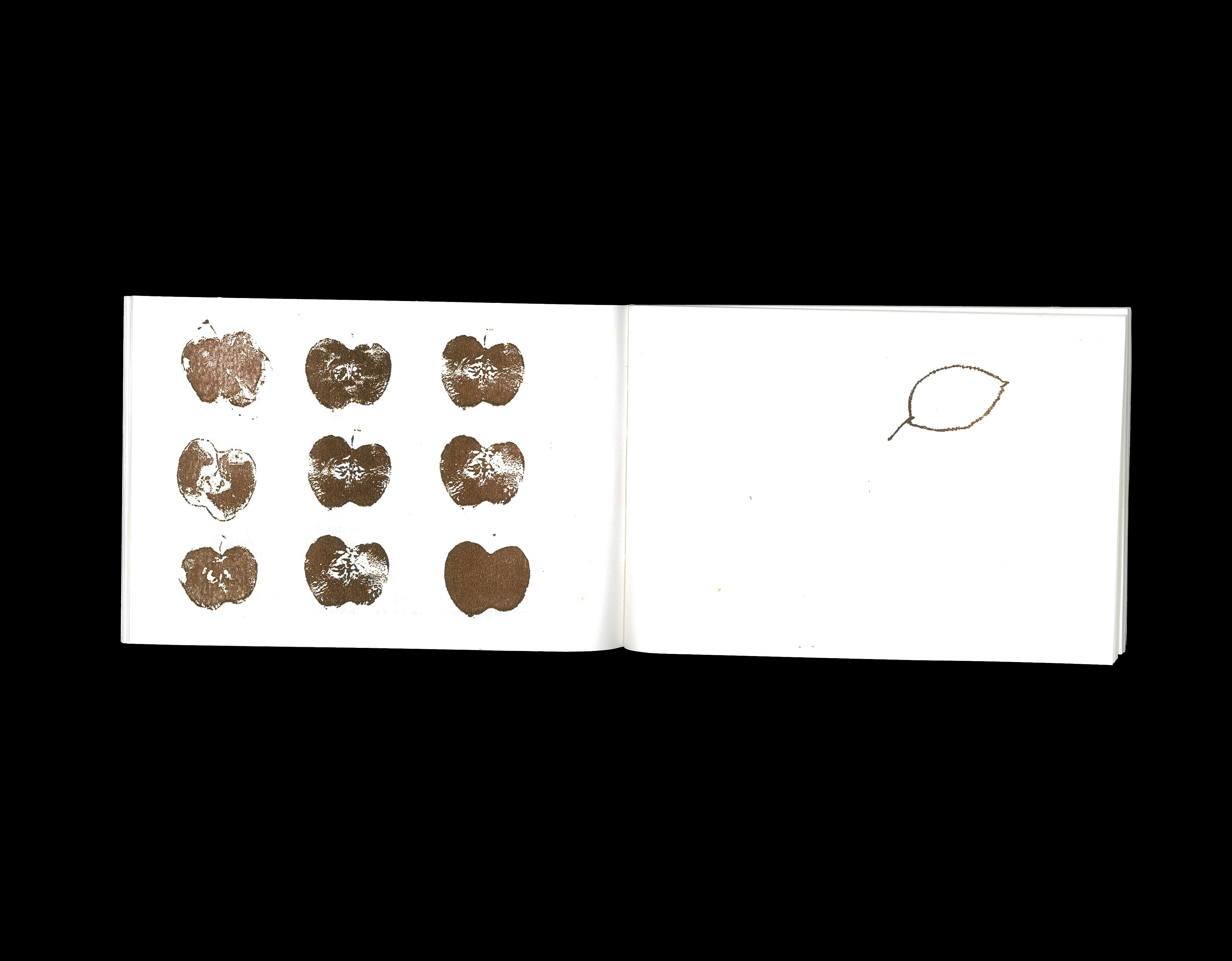
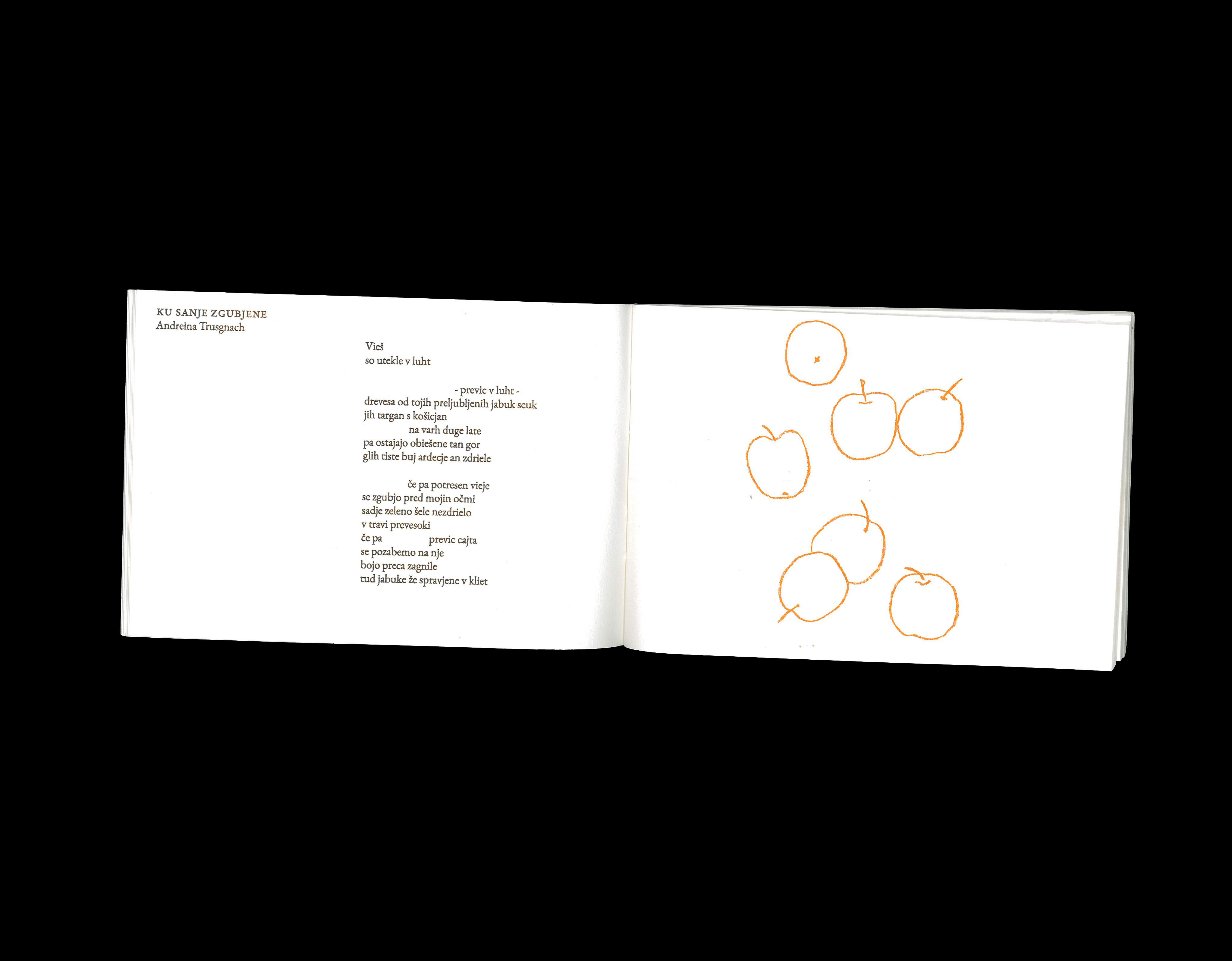
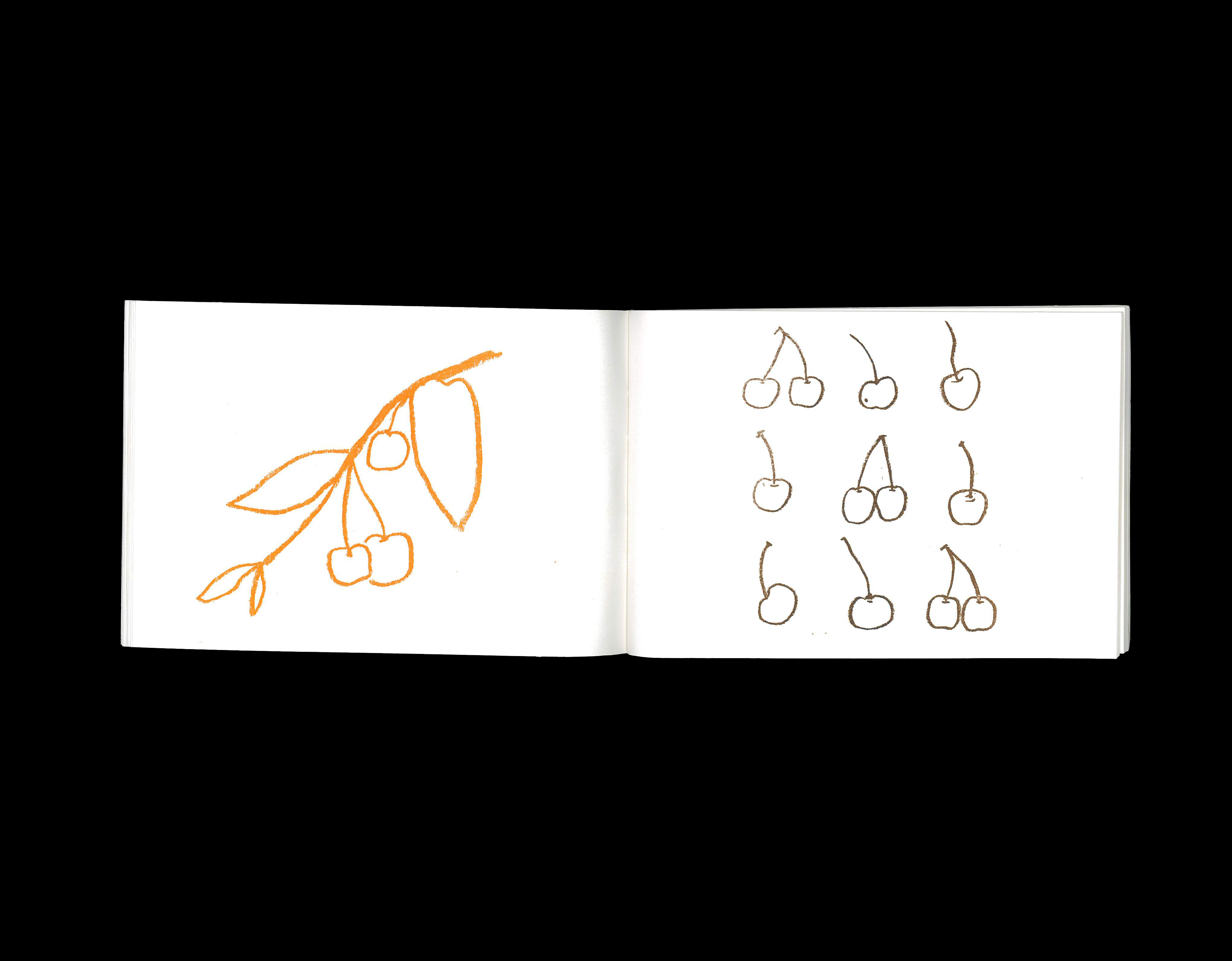
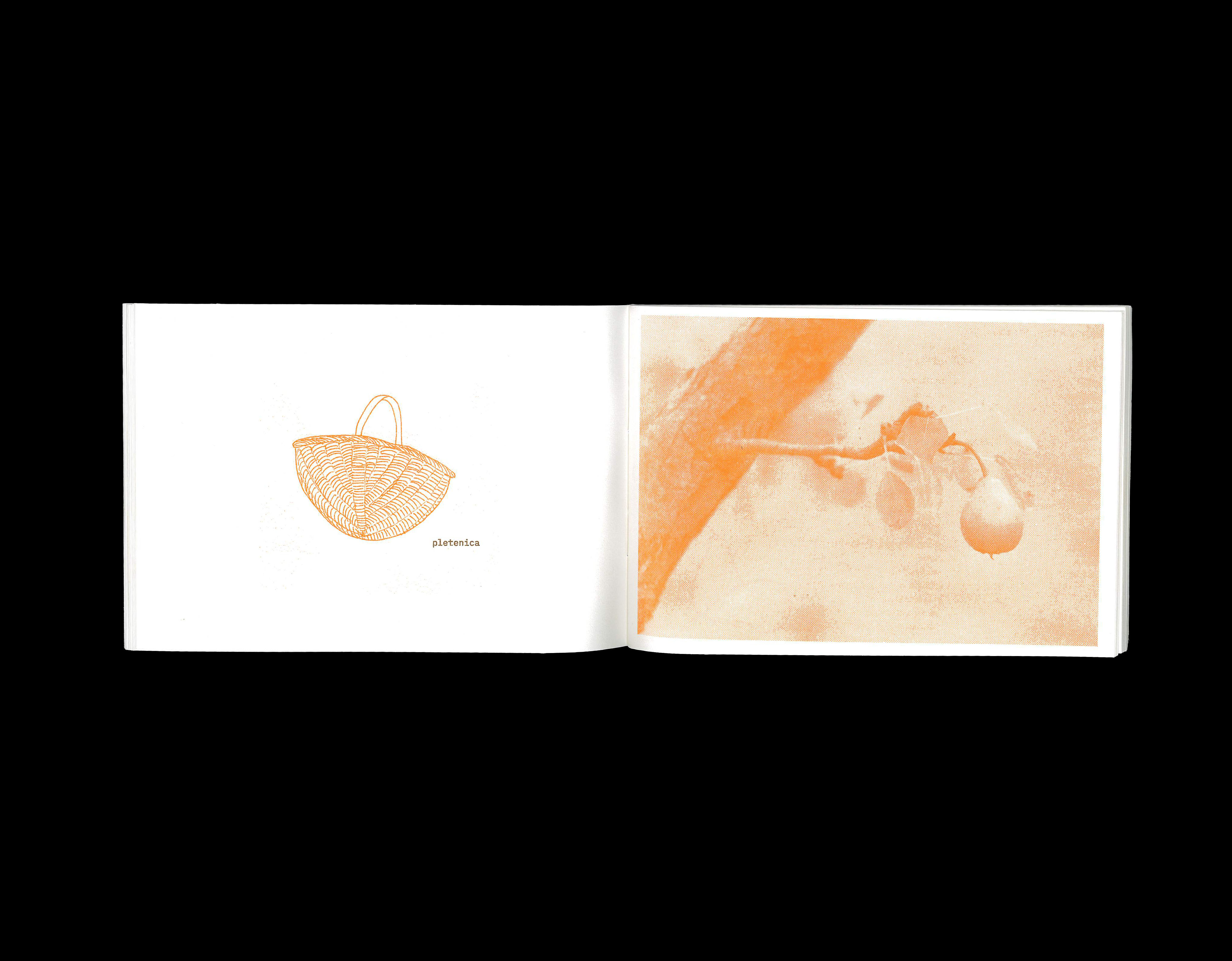
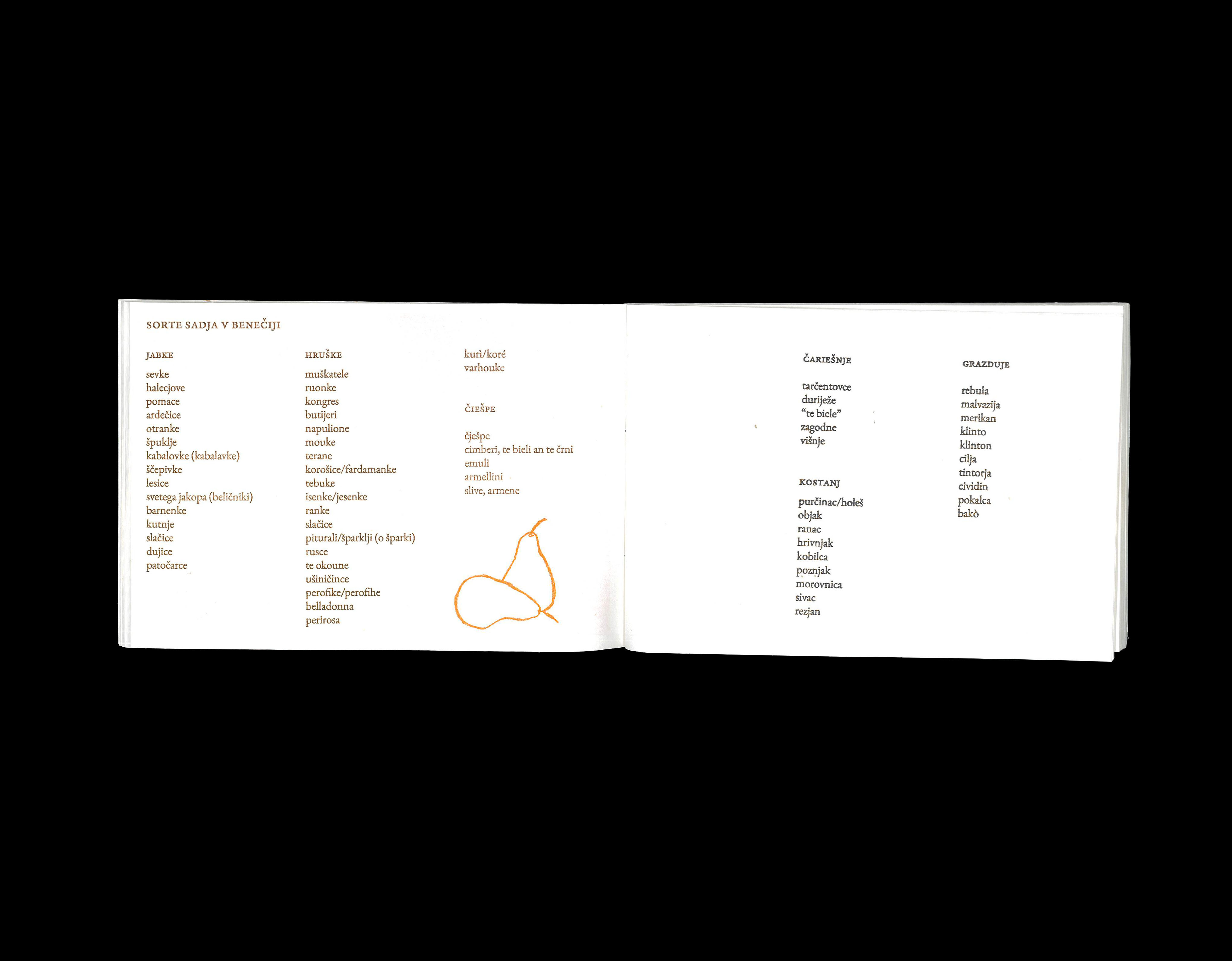
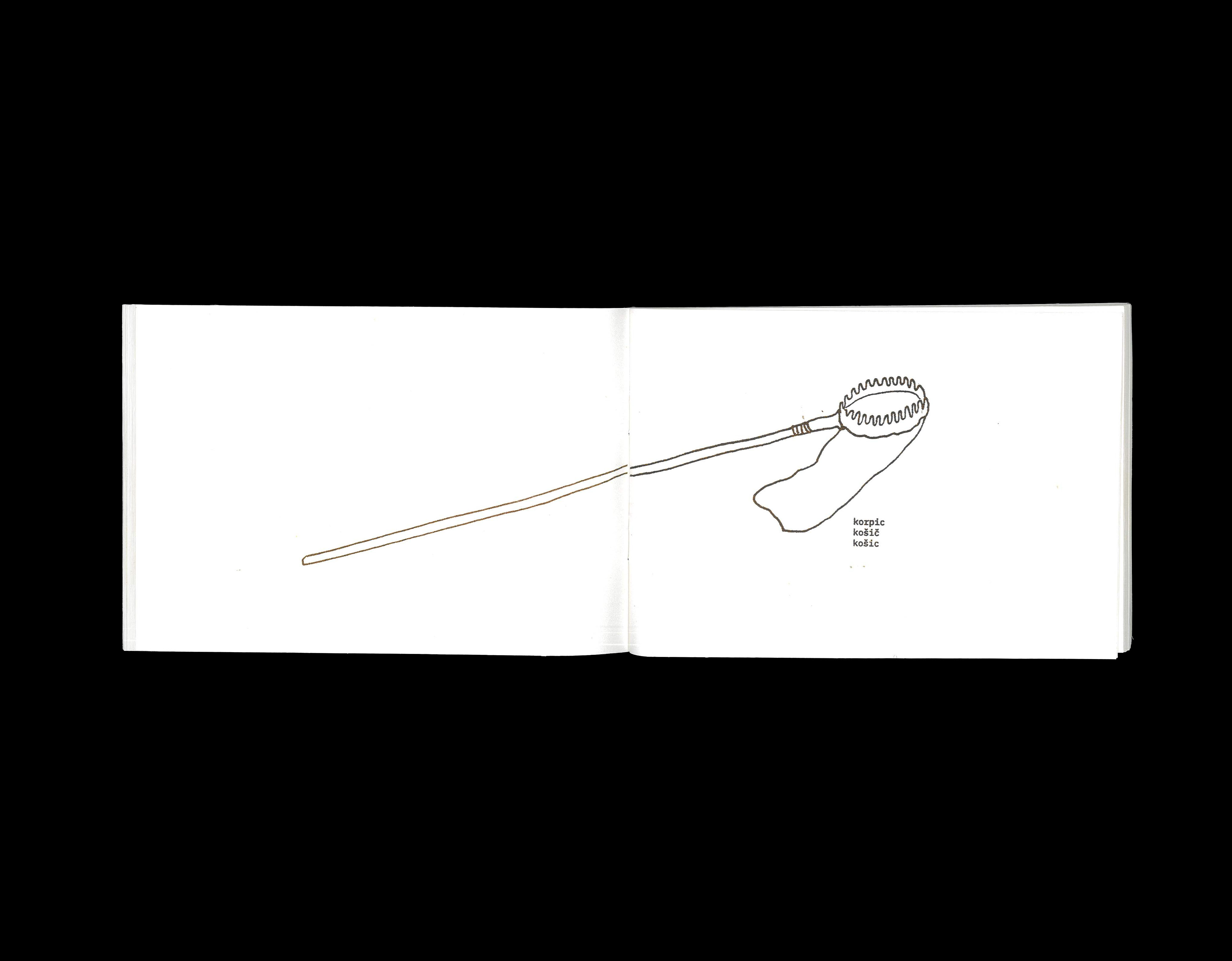
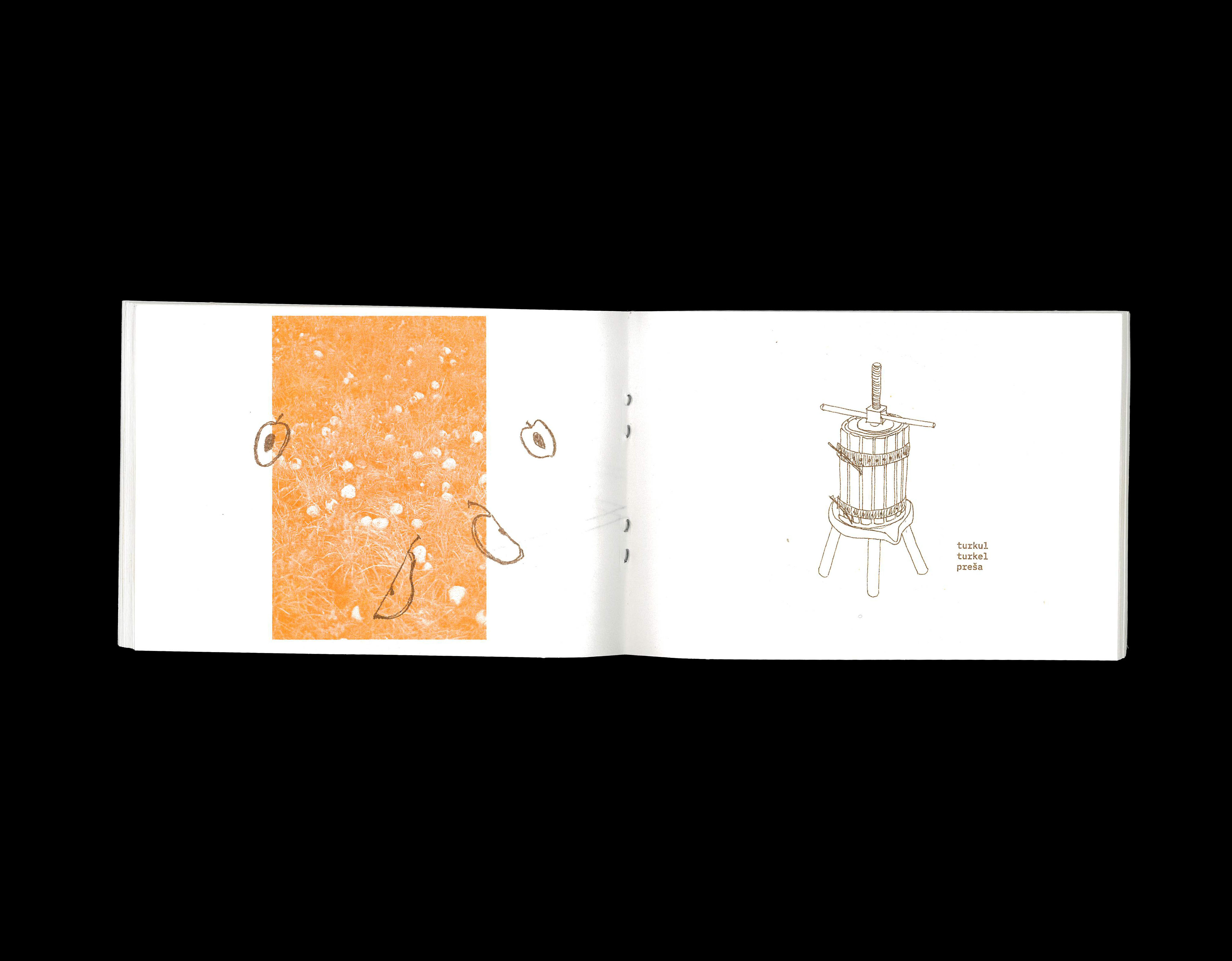
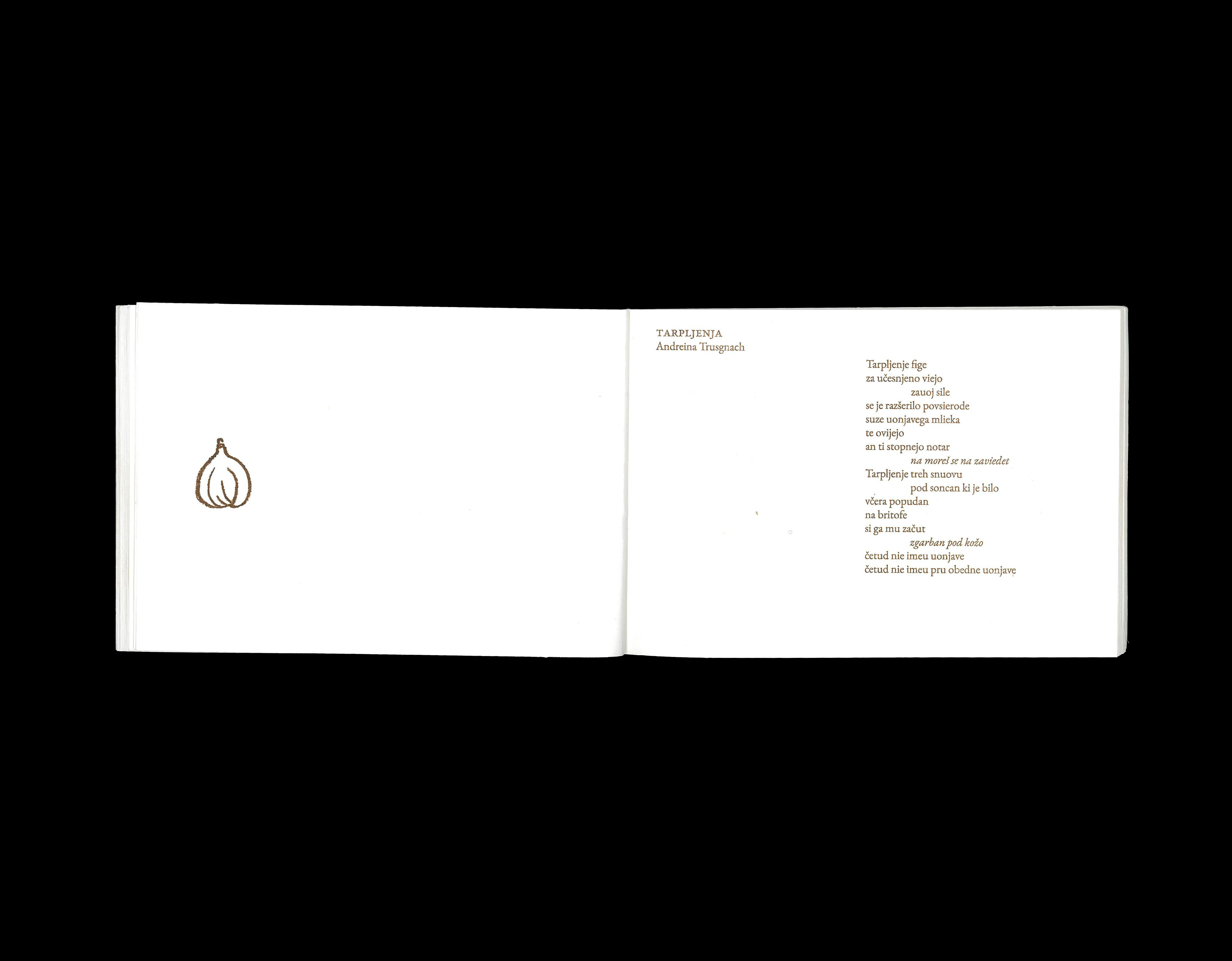
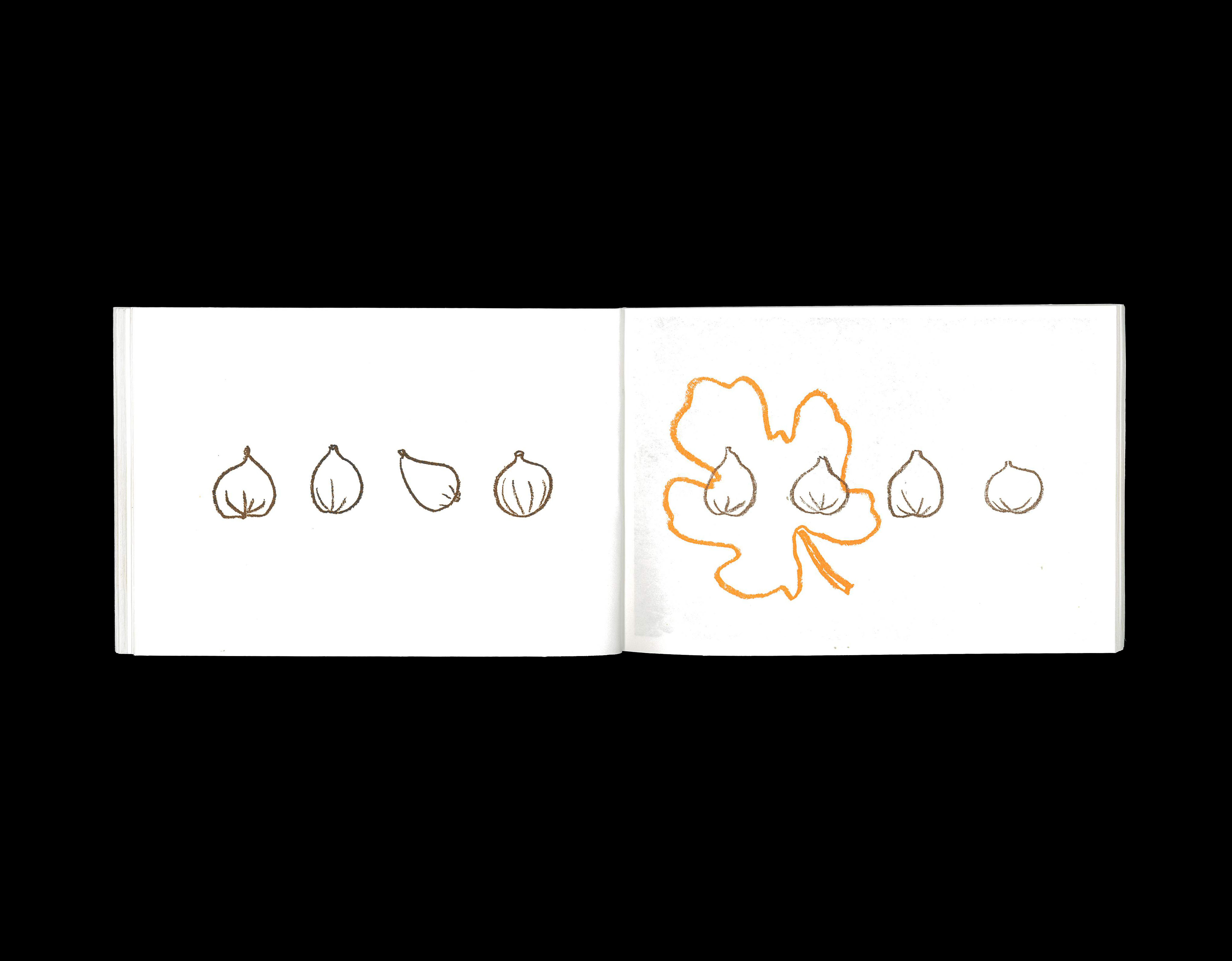
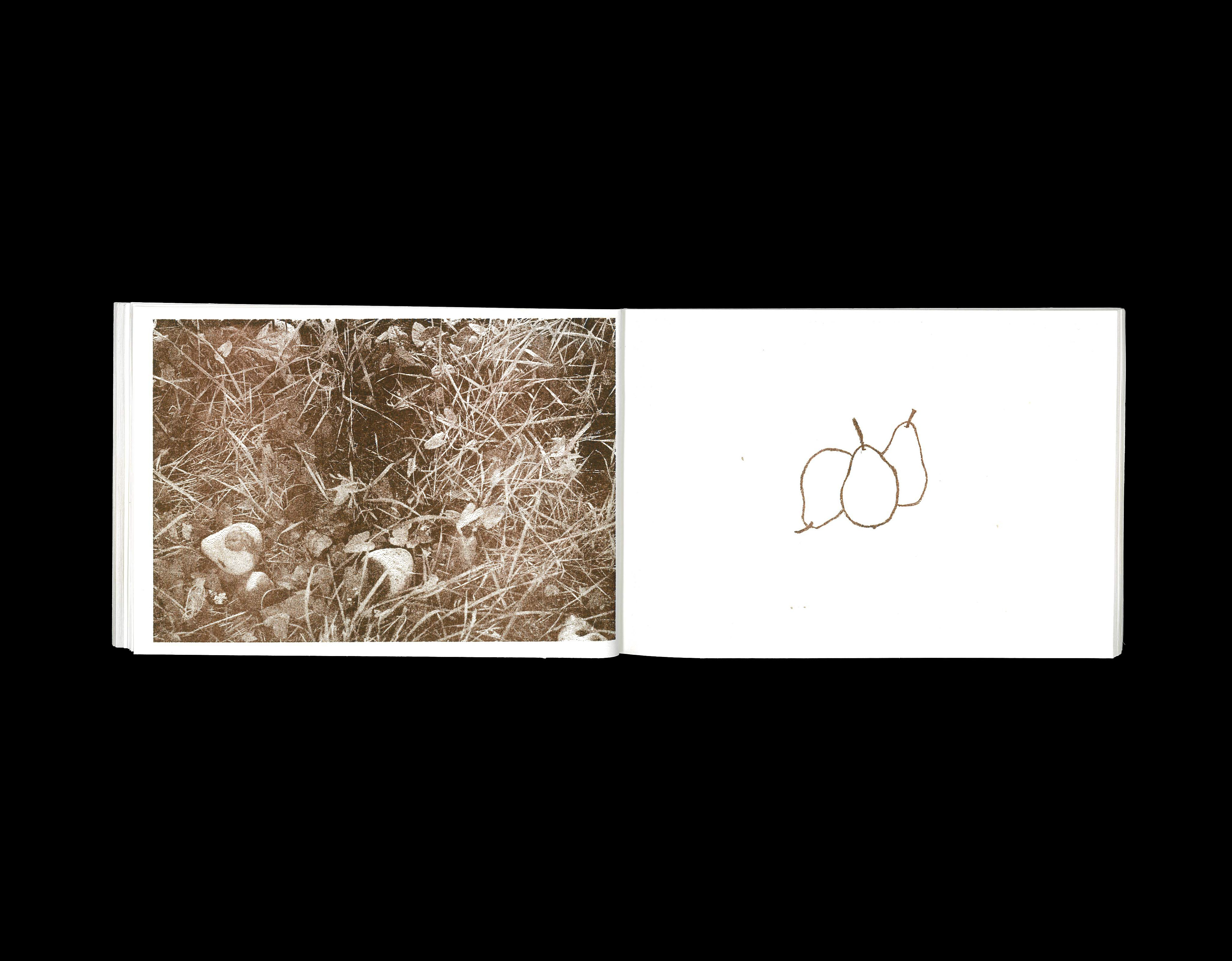
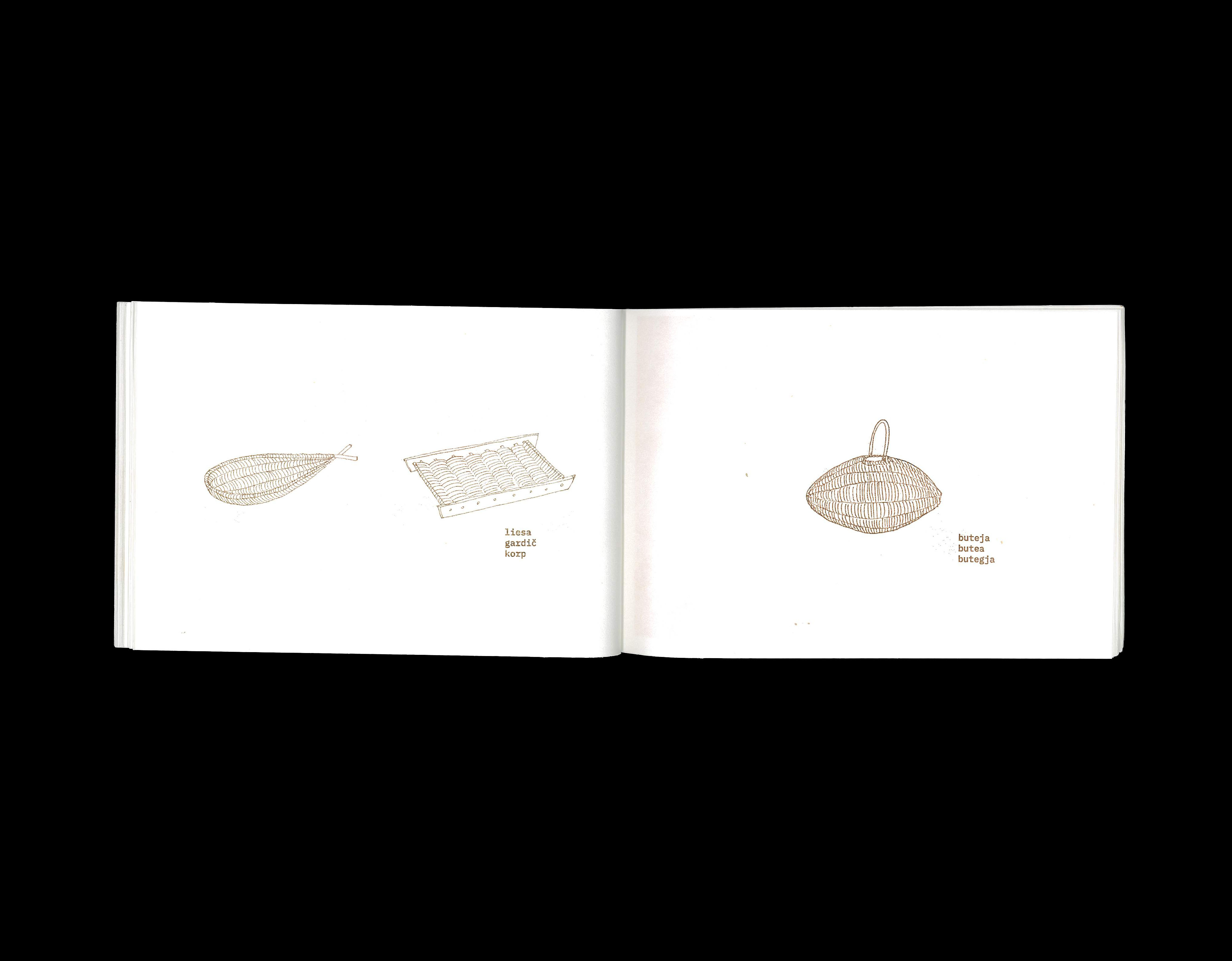
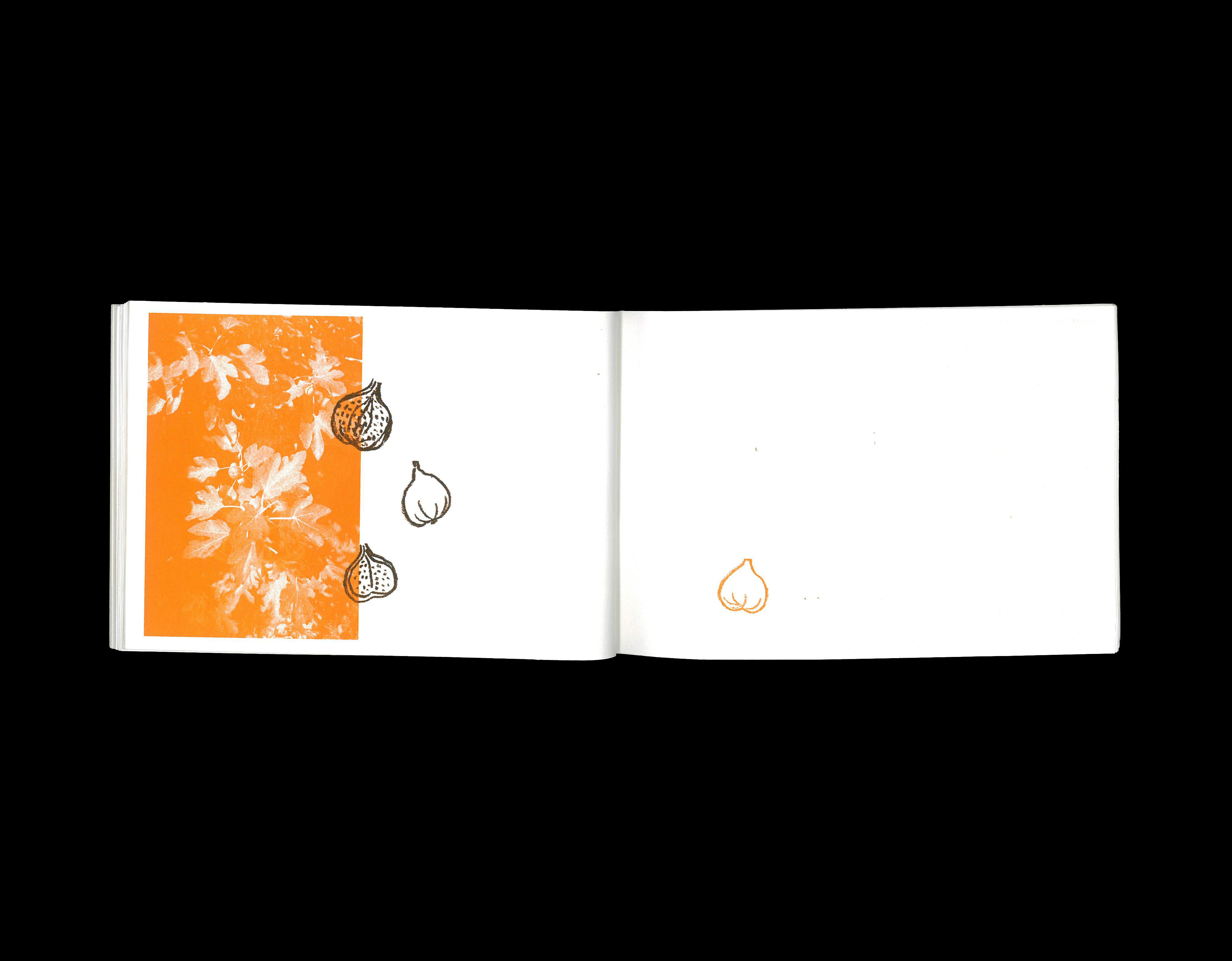
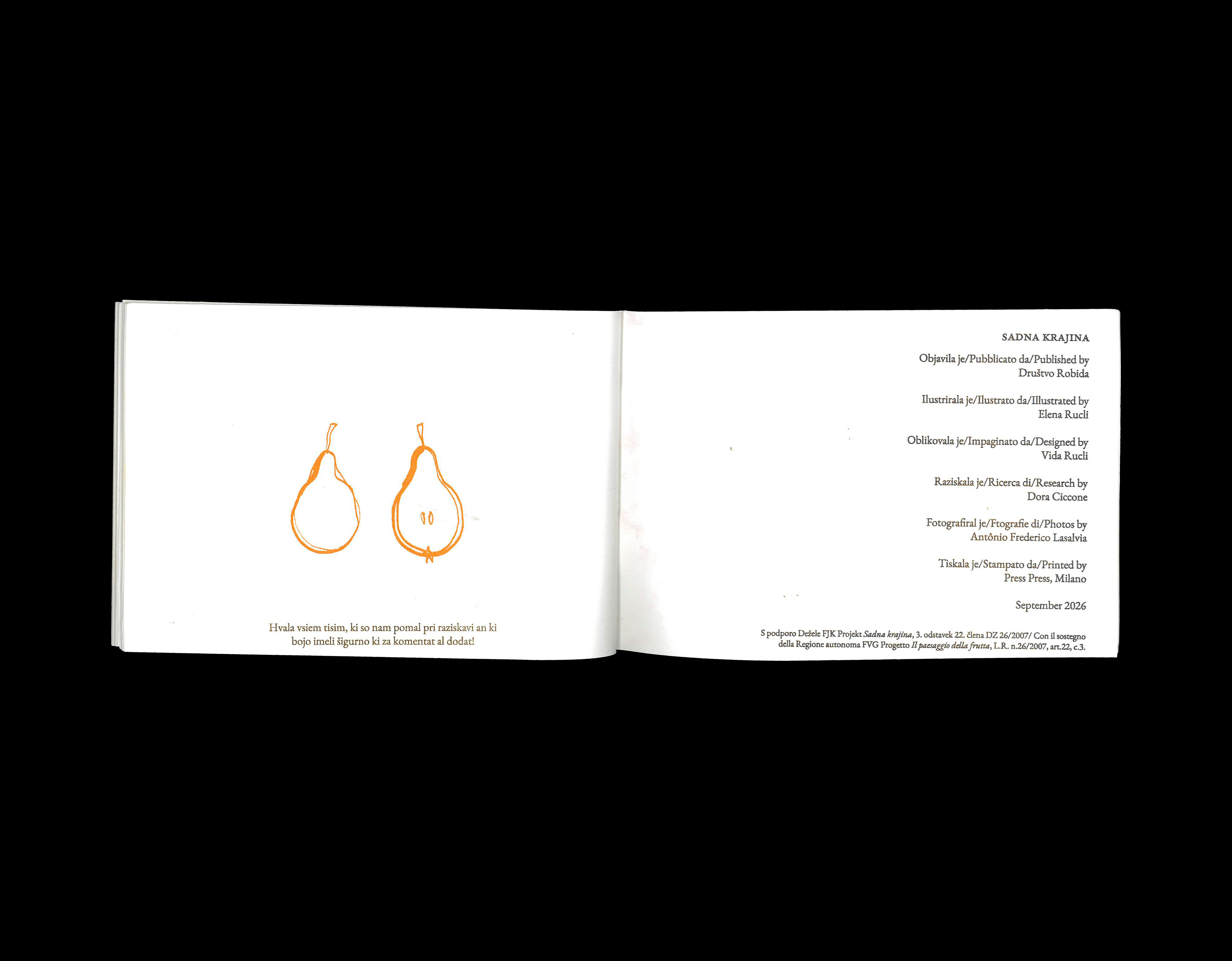
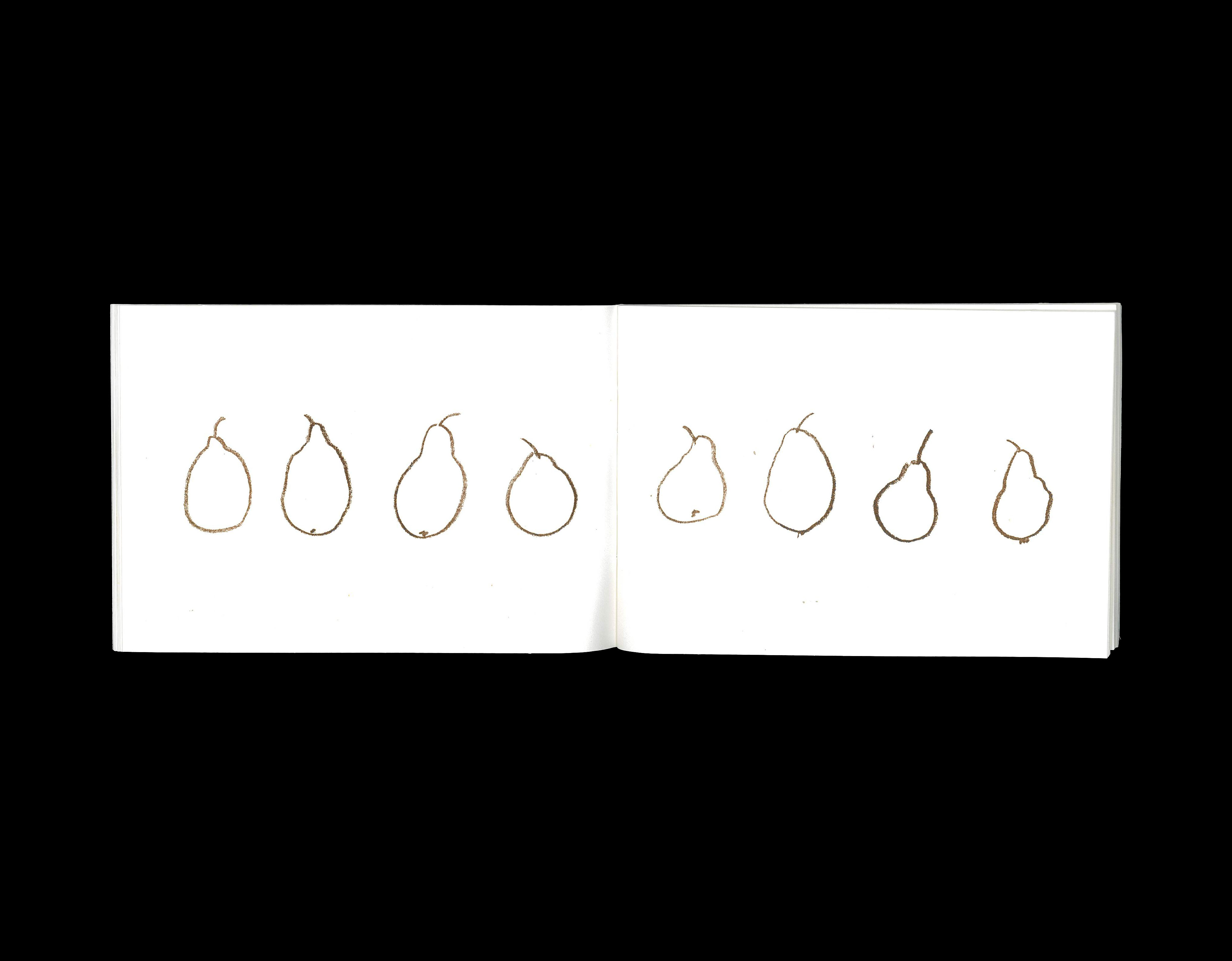
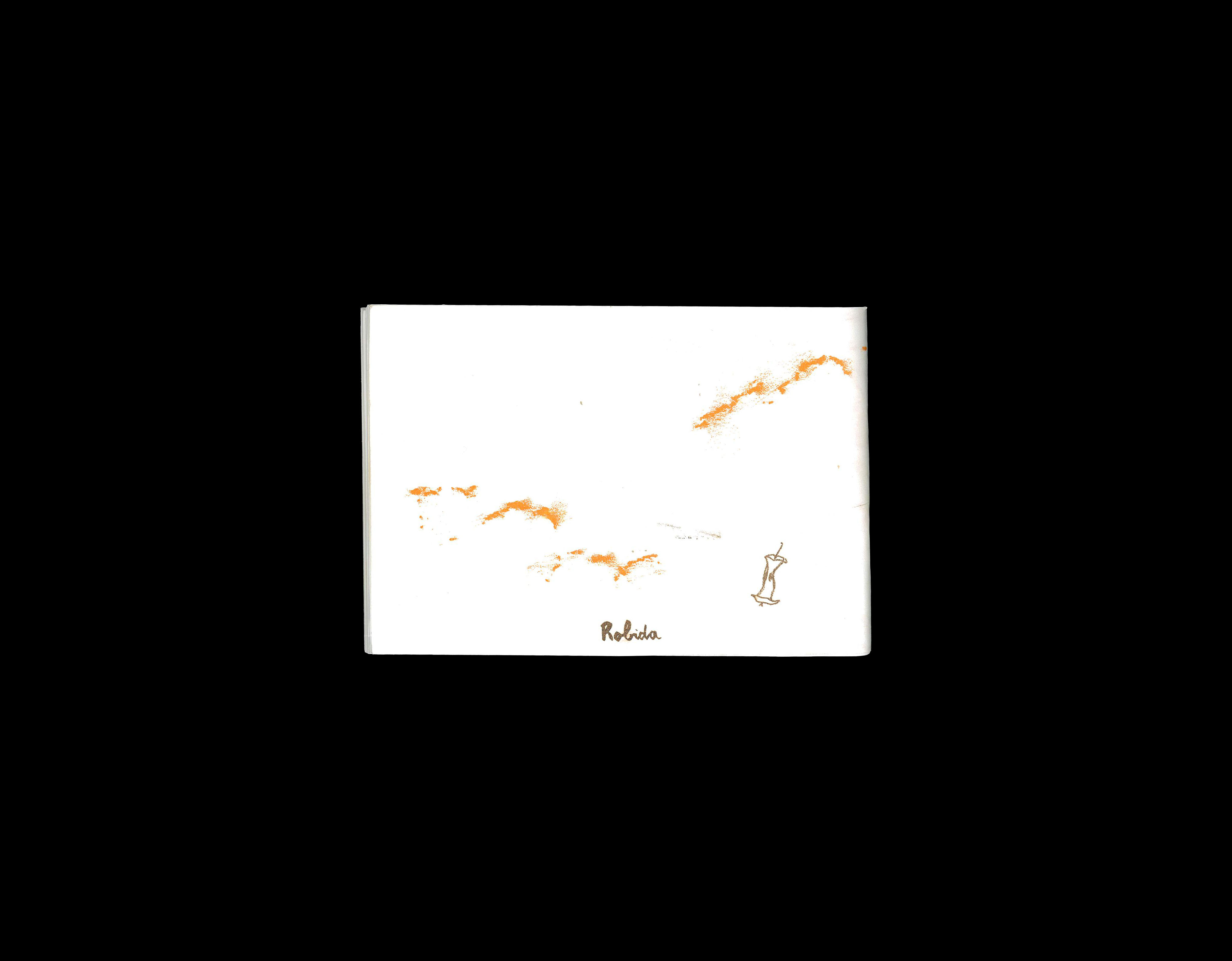
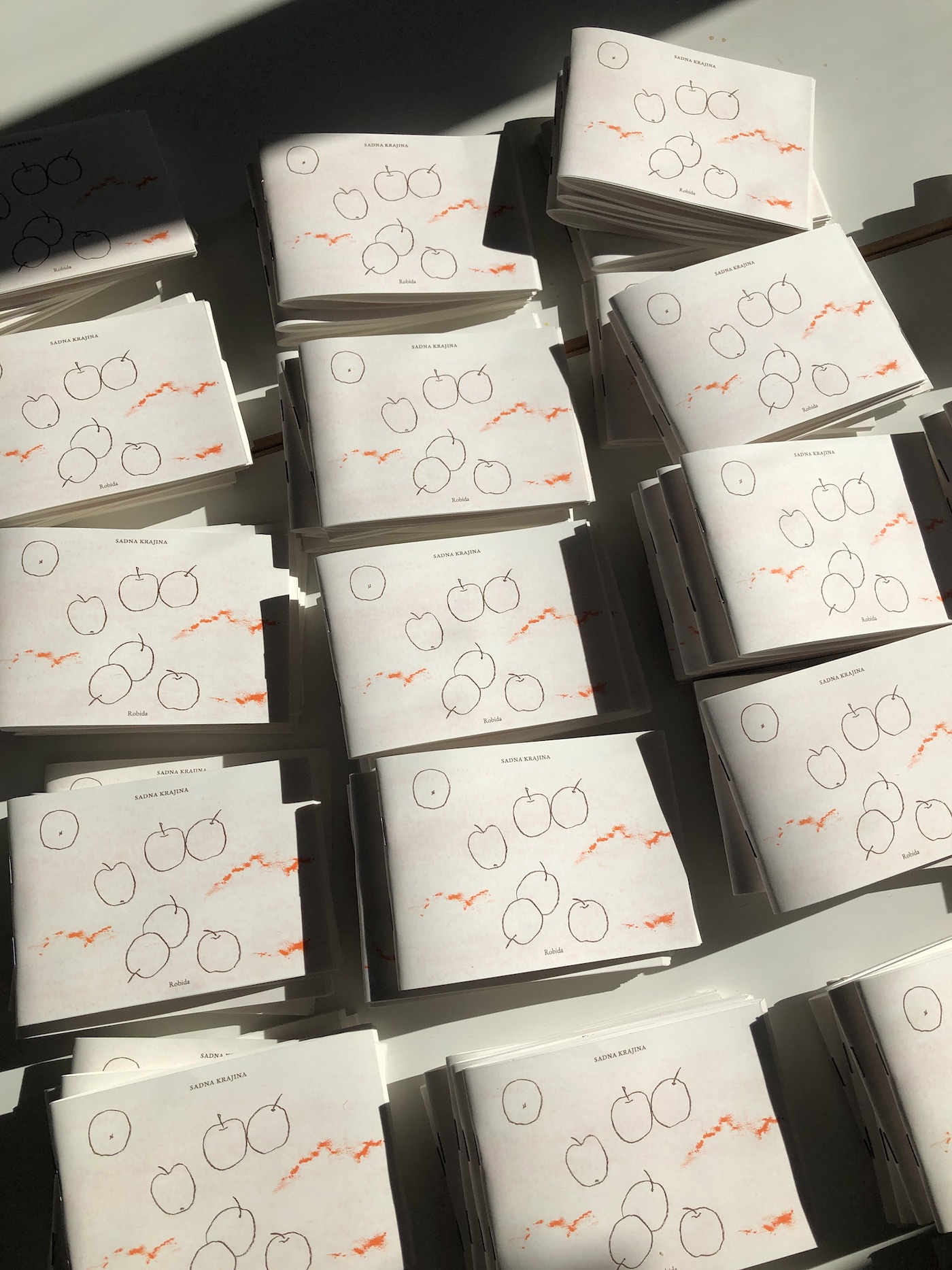
Sadna krajina è un piccolo librino stampato in risografia, della dimensione di una cartolina, che raccoglie alcuni dei frutti del progetto Sadna krajina. Un minuto glossario illustrato da Elena Rucli che contiene i nomi delle varietà di frutta della Benečija e quelli degli attrezzi utilizzati per la raccolta e trasformazione della frutta. È il primo libro che Robida pubblica in dialetto sloveno (con traduzioni in italiano e inglese).
Sadna krajina je majhna knjigica tiskana v riso, velika kot razglednica, kjer so nabrani sadeži projekta Sadna krajina. Majhen ilustriran besednjak, s risbami Elene Rucli, ki vsebuje imena sadnjih sort Benečije in orodji, ki so se uporabljali za obiranje in transformacijo sadja. Ta je prva knjiga v slovenskem narečju, ki jo je Robida objavila.
Sadna krajina is a tiny book printed in riso, small as a postcard, which gathers the fruits of the project Sadna krajina / Fruit Landscape. A small illustrated glossary, with drawings by Elena Rucli, which contains the names of the local fruits varieties from Benečija and the tools used for picking and transforming fruits. This is the first book that Robida publishes written in Slovene dialect (with Italian and English translations).
Uvod
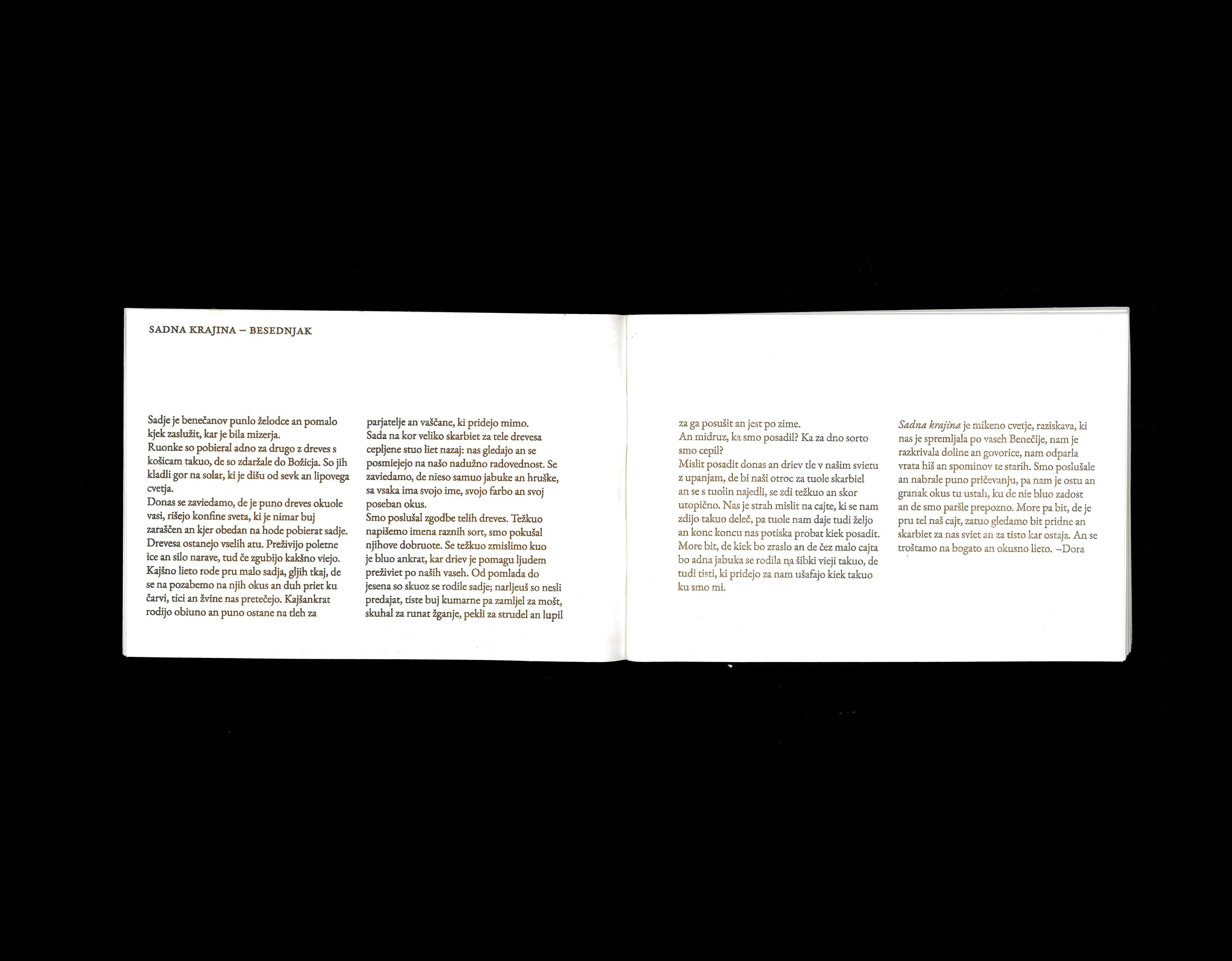
Sadje je benečanov punlo želodce an pomalo kjek zaslužit, kar je bila mizerja.
Ruonke so pobieral adno za drugo z dreves s košicam takuo, de so zdaržale do Božicja. So jih kladli gor na solar, ki je dišu od sevk an lipovega cvetja.
Donas se zaviedamo, de je puno dreves okuole vasi, rišejo konfine sveta, ki je nimar buj zaraščen an kjer obedan na hode pobierat sadje. Drevesa ostanejo vselih atu. Preživijo poletne ice an silo narave, tud če zgubijo kakšno viejo. Kajšno lieto rode pru malo sadja, gljih tkaj, de se na pozabemo na njih okus an duh priet ku čarvi, tici an žvine nas pretečejo. Kajšankrat rodijo obiuno an puno ostane na tleh za parjatelje an vaščane, ki pridejo mimo.
Sada na kor veliko skarbiet za tele drevesa cepljene stuo liet nazaj: nas gledajo an se posmiejejo na našo nadužno radovednost. Se zaviedamo, de nieso samuo jabuke an hruške, sa vsaka ima svojo ime, svojo farbo an svoj poseban okus.
Smo poslušal zgodbe telih dreves. Težkuo napišemo imena raznih sort, smo pokušal njihove dobruote. Se težkuo zmislimo kuo je bluo ankrat, kar driev je pomagu ljudem preživiet po naših vaseh. Od pomlada do jesena so skuoz se rodile sadje; narljeuš so nesli predajat, tiste buj kumarne pa zamljel za mošt, skuhal za runat žganje, pekli za strudel an lupil za ga posušit an jest po zime.
An midruz, ka smo posadil? Ka za dno sorto smo cepil?
Mislit posadit donas an driev tle v našim svietu z upanjam, de bi naši otroc za tuole skarbiel an se s tuolin najedli, se zdi težkuo an skor utopično. Nas je strah mislit na cajte, ki se nam zdijo takuo deleč, pa tuole nam daje tudi željo an konc koncu nas potiska probat kiek posadit. More bit, de kiek bo zraslo an de čez malo cajta bo adna jabuka se rodila na šibki vieji takuo, de tudi tisti, ki pridejo za nam ušafajo kiek takuo ku smo mi.
Sadna krajina je mikeno cvetje, raziskava, ki nas je spremljala po vaseh Benečije, nam je razkrivala doline an govorice, nam odparla vrata hiš an spominov te starih. Smo poslušale an nabrale puno pričevanju, pa nam je ostu an granak okus tu ustah, ku de nie bluo zadost an de smo paršle prepozno. More pa bit, de je pru tel naš cajt, zatuo gledamo bit pridne an skarbiet za nas sviet an za tisto kar ostaja. An se troštamo na bogato an okusno lieto.
Introduzione
La frutta ha riempito le pance e le tasche della Benecija quando non c’era molto altro.
Una ad una venivano raccolte le pere ruonke dall’albero con il korpic per conservarle intatte fino a Natale, riposte nei solai profumati tra sevke e fiori di tiglio.
Oggi ci accorgiamo che sono tanti, troppi gli alberi che abbracciano il paese e che delimitano i terreni di chi ormai non viene più a raccoglierne i frutti. Gli alberi però rimangono lì radicati. Sopravvivono ai temporali, anche se con qualche amputazione, e al caldo estivo. Qualche anno donano un raccolto discreto, appena sufficiente a risvegliare il gusto acidulo del frutto prima che insetti, uccelli e la fauna golosa si presentino a riscuotere la loro parte. Qualche anno anche abbondante, per sfamare amici e paesani di passaggio, che si fermano a raccolgiere l’abbondanza precipitata a terra.
Ormai questi alberi non necessitano di molto, piantati dai padri dei nostri padri, ci guardano sorridendo alla nostra ingenua curiosità. Scopriamo che non sono tutte mele e pere, ma hanno un loro nome, un colore e soprattuto un sapore unico. Ascoltiamo le loro storie, trascriviamo a fatica i loro nomi e assaggiamo i loro frutti. Cerchiamo di immaginare come un tempo questi alberi erano i protagonisti delle giornate in paese, quando dalla primavera all’autunno iniziavano a maturare i frutti e tutti, al momento giusto, venivano raccolti per essere venduti, per essere trasformati in mosto, grappa o per farcire deliziosi strudel.
E noi cosa abbiamo piantato? Che varietà abbiamo innestato?
Pensare oggi di piantare un albero tu našem svietu (nel nostro) fiduciosi che la nostra famiglia se ne prenda cura e se ne nutra, ci sembra utopia. Pensare a un tempo così lungo davanti a noi ci spaventa un po’ ma un po’ anche ci provoca a compiere un semplice gesto, a radicare una pianta, che forse crescerà e forse fra qualche anno ci accorgeremo che le prime mele sono appese ai rami ancora fragili.
Sadna krajina è un piccolo gesto di cura, una ricerca che ci ha accompagnate in diversi paesi della Benecija, ci ha orientate tra le vallate e le parlate aprendoci le porte delle case e dei ricordi dei più esperti. Ascoltiamo e raccogliamo quanto riusciamo sempre con un retrogusto un po’ acidulo, un senso di difetto, di non aver fatto abbastanza o di essere troppo tardi.
Ma questa è la nostra stagione e cerchiamo di prenderci cura našega svieta, di quello che resta, fiduciose che il raccolto sarà abbondante e sicuramente molto gustoso.
Introduction
Fruit filled the bellies and pockets of Benečija when there was little else.
One by one, ruonke pears were picked from the trees with the korpic, carefully gathered so they could be kept intact until Christmas, laid out in fragrant attics among sevke and linden blossoms.
Today we realise there are so many, too many trees embracing the villages and designing the boundaries of land whose owners no longer come to gather their fruit. The trees remain there, rooted in place. They survive storms, even when a limb is lost, and they endure the summer heat. Some years they offer a modest harvest, just enough to awaken the tart taste of the fruit before insects, birds and hungry wildlife arrive to claim their share. In other years, the harvest is abundant enough to feed friends and villagers, who stop to gather the plenty that has fallen to the ground.
By now these trees need very little. Planted by our fathers’ fathers a hundred years ago, they look down on us with a smile at our naïve curiosity. We discover that they are not simply apples and pears, but each has its own name, its own colour and, above all, its own unique flavour. We listen to their stories, struggle to write down their names, and taste their fruit. We try to imagine a time when these trees were at the heart of everyday life in the villages, when, from spring to autumn, the fruits began to ripen and everyone, at just the right moment, would gather them, to sell them, to turn them into cider or grappa, or to fill delicious strudels.
And what have we planted? What varieties have we grafted?
Today, the idea of planting a tree tu našem svietu (in our land), trusting that our family will care for it and one day be nourished by it, seems almost utopian. Imagining such a long stretch of time ahead of us is a little frightening, but it also challenges us to make a simple gesture: to put a plant into the ground, to let it take root. Perhaps it will grow, and perhaps, in a few years, we will notice the first apples hanging from its fragile branches.
Sadna krajina is a small gesture of care, a journey of research that has taken us through several villages of Benečija, guiding us through its valleys and local dialects, opening the doors to homes and to the memories of those who know the most. We listen and gather whatever we can, always with a slightly tart aftertaste, a sense that we have fallen short, that we have not done enough, or that we may have arrived too late. But this is our season, and we are trying to care for what remains, trusting that the harvest will be abundant and, without a doubt, full of flavour.
Languages: English, Slovene dialect from Benečija, Italian
Pages: 60
Size: 100 x 140
Paper: Munken Print White 90g
Published by Robida in September 2026.
NO ISBN